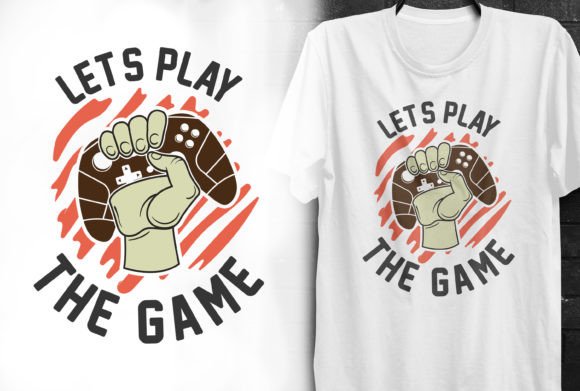
Review: Gaming Unique Retro T-shirt Design for Embroidery
As a designer who spends half my life staring at digitized paths and the other half pulling threads out of bobbin jams, I have learned to be skeptical of generic digital assets. We see thousands of files marketed as "ready to stitch," but few survive the transition from screen to fabric without losing their soul. Recently, I downloaded Gaming Unique Retro T-shirt Design, Best to evaluate its potential for real-world application. This is not just a graphic; it is a test of how well a retro gaming aesthetic translates into the tactile world of machine embroidery.
First Impressions and Visual Personality
The moment I opened the zip file, the intent was clear. The design leans heavily into nostalgia, capturing that pixelated, 8-bit charm that defines the golden age of arcade gaming. For an embroidery project, this presents both an opportunity and a challenge. Pixel art relies on sharp, blocky edges, which can sometimes look muddy when converted into thread if the stitch density is not managed correctly.
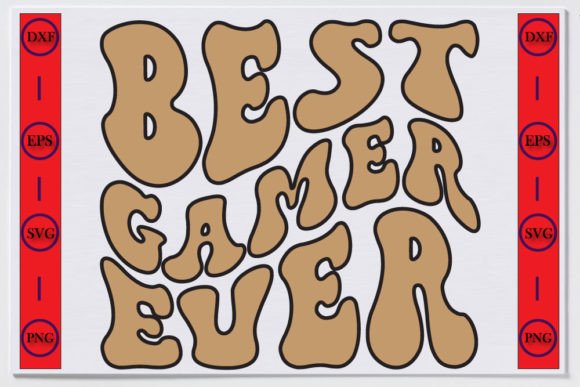
The layout is bold and centered, making it ideal for statement pieces. It does not try to be subtle. The mood is playful yet confident, appealing to gamers who want to wear their passion on their sleeve—literally. When I viewed the PNG preview against a dark background, the contrast popped effectively. However, as an experienced reviewer, I know that what looks good on a monitor does not always translate to a hoop. The key question was whether the "Best Gamer Ever" typography would remain legible once stitched out, or if the small serifs and corners would collapse under the tension of the thread.
Real-World Application: From Screen to Sweatshirt
To test the viability of this design, I imagined a specific client scenario. A local boutique owner wanted a line of custom apparel for a weekend gaming convention. She needed items that were durable, visually striking, and quick to produce. I selected a mid-weight cotton blend sweatshirt for the test run. This fabric choice is critical; too thin, and the design puckers; too thick, and the needle struggles to penetrate the dense fill areas.
I loaded the SVG file into my digitizing software to inspect the pathing before sending it to the machine. The design includes elements that suggest a mix of satin stitch for the borders and fill stitch for the larger graphical blocks. In practice, this combination works well for retro themes because it mimics the solid color blocks of early video games. The result on the sweatshirt was impressive. The threads lay flat, and the colors remained vibrant. The tactile quality of the embroidery added a layer of value that a simple printed T-shirt could never achieve. Customers at craft fairs often equate embroidery with higher quality, and this design supports that perception.
Versatility Across Product Types
While the title suggests a T-shirt focus, the versatility of this graphic extends far beyond apparel. I considered how it would perform on other substrates:
- Tote Bags: The bold lines hold up well on canvas, making it a strong candidate for a tote bag design. The durability of thread ensures it survives the wear and tear of daily use.
- Caps and Hats: Here, caution is required. Curved surfaces distort designs. If you attempt this on a cap, you must resize it significantly and ensure the stitch density is low enough to prevent the fabric from warping.
- Pillow Covers: For home decor, this adds a fun, nostalgic touch to a living room or game den. A larger hoop size would be necessary to capture the full detail without cramming the elements.
- Embroidered Patches: This is perhaps the best use case. Creating an applique design or a dense satin-stitched patch allows for mass production and easy application to various garments later.
Technical Considerations for the Stitcher
Before you load this into your machine, there are practical steps every embroidery designer should take. First, always check the stitch density. Retro designs often have large solid areas. If the density is too high, you risk needle breaks and thread bunching. If it is too low, the fabric backing will show through, ruining the clean pixel look.
Stabilizer choice is non-negotiable. For stretchy fabrics like jersey knits used in T-shirts, a cut-away stabilizer is essential to maintain shape. For woven fabrics like denim or canvas tote bags, a tear-away might suffice, but I recommend testing on scrap fabric first. Never waste good material on an untested file.
Thread color contrast is another vital element. The retro aesthetic relies on distinct color separation. Using threads that are too similar in shade will blur the details. I suggest using a high-sheen polyester thread to enhance the "digital" glow of the design. Also, inspect small details. Tiny lettering or intricate pixel corners can get lost if the needle size is too large. A size 75/11 needle is usually a safe bet for general purposes, but finer details may require a sharper point.
Navigating File Formats and Licensing
The product description states you will receive one Zip file containing SVG, DXF, PNG, and EPS formats. It is important to understand what these mean for your workflow. The SVG and DXF files are vector-based, which is excellent for resizing without loss of quality before digitizing. The PNG is useful for mockups and web previews, essential for any Etsy seller or small shop product listing. The EPS file serves as another vector option for professional design software.
However, note that these are primarily graphics formats. If you are looking for a ready-to-stitch machine embroidery file (such as PES, DST, or JEF), you may need to digitize these vectors yourself or confirm if the provider includes specific embroidery formats in the zip. Always verify the license terms. If you plan to sell finished products like custom apparel or holiday embroidery gifts, ensure the license permits commercial use. For digital product sellers, selling the file itself is typically prohibited unless explicitly stated.
Final Verdict for Craft Entrepreneurs
Gaming Unique Retro T-shirt Design, Best is a strong asset for those in the craft business who understand the nuances of thread and fabric. It is not a plug-and-play solution for every situation, but with proper preparation, it yields high-quality results. It enhances brand consistency for shops targeting geek culture and adds a professional touch to personalized gifts.
For the Etsy seller or handmade shop owner, this design offers a clear visual identity. It stands out in a sea of generic prints. Just remember to respect the limitations of the medium. Test your hoop size, choose your stabilizer wisely, and let the thread do the talking. When executed correctly, this design transforms a simple garment into a cherished piece of wearable art.